How Interventional Radiology Is Revolutionizing Modern Healthcare
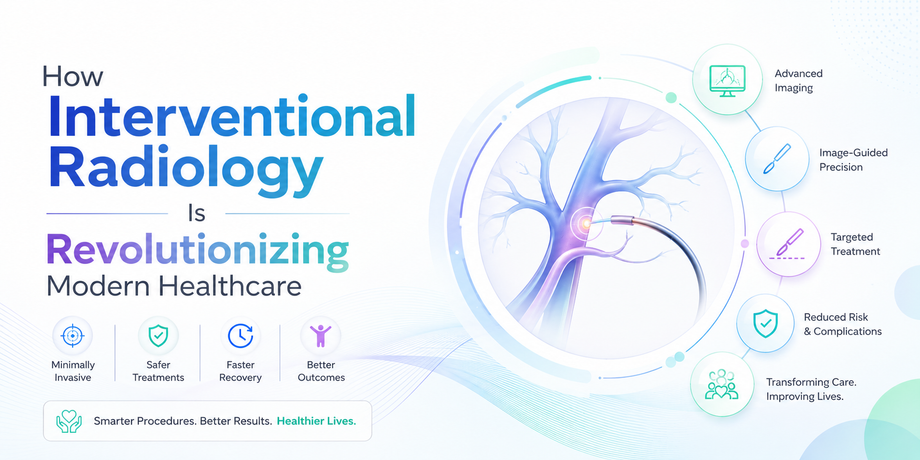
Modern medicine is evolving rapidly, and one of the most significant advancements is Interventional Radiology (IR). An experienced Interventional Radiologist in Jaipur can now diagnose and treat many complex conditions using minimally invasive, image-guided procedures that reduce pain, shorten hospital stays, and promote faster recovery. Unlike traditional surgery, interventional radiology relies on advanced imaging technologies such as ultrasound, CT scans, and fluoroscopy to perform highly precise treatments through tiny incisions. This innovative approach has transformed patient care, offering safer and more effective solutions for vascular and non-vascular diseases.
What Is Interventional Radiology?
Interventional Radiology is a specialized branch of medicine that uses real-time imaging to guide minimally invasive procedures. Instead of large surgical incisions, doctors use thin catheters, guidewires, or needles to reach the affected area with exceptional precision.
These procedures are performed under imaging guidance, making treatment more accurate while minimizing damage to surrounding tissues. As a result, patients experience fewer complications, less discomfort, and a much quicker recovery compared to conventional surgery.
Why Is Interventional Radiology Transforming Healthcare?
Interventional Radiology is changing healthcare because it combines advanced technology with minimally invasive treatment techniques. Patients no longer need major surgery for many conditions that once required long hospital stays.
Some key advantages include:
- Smaller or no surgical incisions
- Reduced pain during and after treatment
- Lower risk of infection
- Minimal blood loss
- Faster recovery
- Shorter hospital stays
- Quicker return to normal activities
- Highly accurate image-guided treatment
These benefits have made Interventional Radiology one of the fastest-growing medical specialties worldwide.
Conditions Treated by an Interventional Radiologist
An experienced Interventional Radiologist in Jaipur can diagnose and treat numerous conditions, including:
- Varicose veins
- Uterine fibroids
- Peripheral Artery Disease (PAD)
- Deep Vein Thrombosis (DVT)
- Varicocele
- Liver tumors
- Kidney disorders
- Dialysis access complications
- Vascular malformations
- Certain types of cancer through interventional oncology procedures
Each treatment is personalized according to the patient's medical condition, ensuring the best possible outcomes.
A Modern Approach to Varicose Veins
Millions of people suffer from varicose veins, often experiencing leg pain, swelling, heaviness, and visible twisted veins. Fortunately, modern Varicose Veins Treatment in Jaipur has moved far beyond traditional vein stripping surgery.
Today, minimally invasive procedures such as Endovenous Laser Treatment (EVLT), Radiofrequency Ablation (RFA), sclerotherapy, and venous embolization offer excellent results with minimal discomfort. These treatments require only small punctures instead of large incisions, allowing patients to walk shortly after the procedure and return to work within a few days.
Choosing advanced Varicose Veins Treatment in Jaipur not only improves appearance but also restores healthy blood circulation and significantly reduces symptoms, improving overall quality of life.
Precision Through Advanced Imaging
One of the biggest reasons behind the success of Interventional Radiology is the use of advanced imaging technology.
Specialists perform procedures using:
- Ultrasound guidance
- CT-guided imaging
- Fluoroscopy
- Digital angiography
These technologies provide real-time visualization, allowing doctors to accurately target diseased tissues while protecting healthy organs and blood vessels.
Reduced Recovery Time and Better Patient Experience
Traditional surgery often involves large incisions, general anesthesia, prolonged hospitalization, and lengthy recovery periods.
In contrast, Interventional Radiology procedures usually involve:
- Day-care or short hospital admission
- Local anesthesia or mild sedation
- Minimal scarring
- Reduced postoperative pain
- Faster healing
These advantages make minimally invasive procedures especially beneficial for elderly patients and individuals with chronic medical conditions who may not be ideal candidates for open surgery.
The Expanding Role of Interventional Radiology
Interventional Radiology continues to expand into various medical specialties. Today, it plays an essential role in vascular disease management, women's health, cancer care, liver interventions, kidney procedures, and emergency bleeding control.
With continuous technological advancements, patients now have access to treatments that are safer, more effective, and less invasive than ever before.
Choosing the Right Specialist
Successful outcomes depend not only on advanced technology but also on the expertise of the treating physician. While many patients initially search for a Vascular Surgeon in Jaipur for vascular conditions, an experienced Interventional Radiologist can often provide minimally invasive alternatives that eliminate the need for major surgery. For conditions such as varicose veins, peripheral artery disease, uterine fibroids, and varicocele, consulting both an Interventional Radiologist in Jaipur and a Vascular Surgeon in Jaipur helps patients understand all available treatment options and choose the approach best suited to their condition.
Conclusion
Interventional Radiology has revolutionized modern healthcare by providing highly precise, minimally invasive treatments that improve patient outcomes while reducing recovery time. Whether you require treatment for vascular disorders, uterine fibroids, or advanced Varicose Veins Treatment in Jaipur, consulting an experienced Interventional Radiologist in Jaipur ensures access to innovative, evidence-based care. In cases where surgical intervention may also be considered, collaboration with a skilled Vascular Surgeon in Jaipur allows patients to receive comprehensive treatment recommendations tailored to their specific healthcare needs.

Comments
Post a Comment